
Setting Up a Safe and Efficient Stable Yard
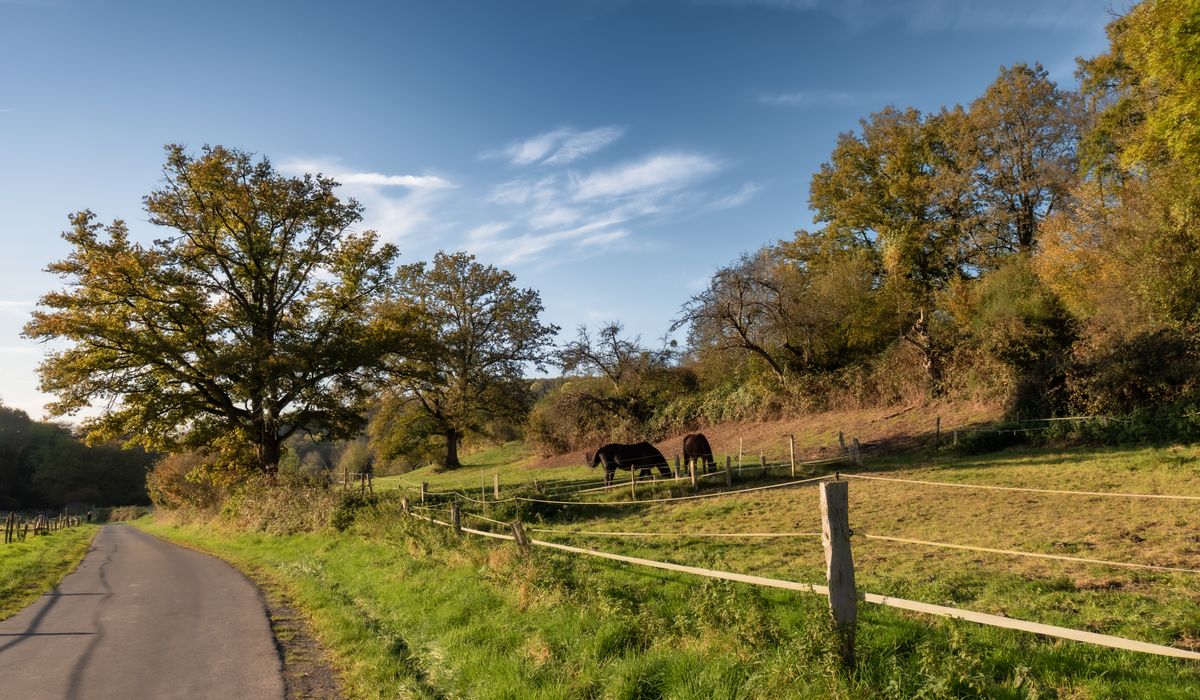
Whether you are converting a corner of a field, restoring an old farmyard or building a yard from scratch, the difference between a stressful routine and a joy to work in usually comes down to planning rather than money. A stable yard that drains well, lights properly and lets you move a wheelbarrow without lifting it over a gate will save you time every single day and reduce the small accidents that so often turn into larger ones.
Plan the Layout Around Movement, Not Buildings
Before you decide where the stables go, walk the yard as you would on a wet February morning with a full barrow, a haynet in one hand and a horse in the other. You need hard standing outside every stable door, a minimum of three metres of apron so a horse can be turned and groomed safely, and clear, wide routes between the muck heap, the hay store and the field gate.
Aim for turning space rather than corridors. If a vehicle, a quad or a small tractor needs to reach the muck heap, allow a four-metre turning circle and keep that route free of tie rings, water troughs and stray buckets. Position the feed room and tack room where you pass them constantly, not at the far end of the yard, and site the muck heap downwind and downhill of the stables, ideally on a concrete pad with a retaining wall so run-off cannot leach towards fields or watercourses.
- Keep field gates on the same side of the yard as the turnout paddocks to avoid crossing traffic routes with horses.
- Allow a separate pedestrian gate for visitors, vets and farriers so the main gateway is not constantly opened.
- Leave room for a tie-up area and a wash-down bay with its own drainage, away from stable bedding.
Storage That Keeps Feed and Forage Genuinely Dry
Damp hay and mouldy feed are a welfare problem and a fire risk, so storage deserves proper thought. Hay and haylage should sit on pallets on a solid floor, ideally with a gap of 100mm between bales and the wall to allow air to move. A ventilated, roofed store with an open front will outperform a sealed shed, which traps condensation. If you are storing large rectangular bales, stack them no more than four high and never against a stable wall where horses can reach them.
Feed needs vermin-proof containers with lids, and a feed room that can be locked. Keep a small dedicated area for first aid, with a well-stocked kit, a head torch and a thermometer on a labelled shelf. Store bedding separately from forage; shavings dust and hay spores do not mix well in a shared space. A simple shelving system with clearly labelled boxes for boots, rugs and grooming kits will save you ten minutes of hunting every time the weather turns.
Lighting, Water and Drainage in All Seasons
Winter afternoons in the UK often mean finishing chores in the dark, so lighting is safety equipment, not a luxury. LED floodlights on the outside of the stable block, angled to avoid glare into horses' eyes, will transform an evening routine. Inside, use sealed, weatherproof fittings and keep switches away from water sources. Battery or solar lighting along walkways means you are never left fumbling in the dark if the power trips.
Water is the other half of the equation. Insulated pipes, lagged taps and troughs that can be emptied or heated will prevent frozen mornings. Place troughs on hard standing with a drain nearby so spillage does not create a bog, and fit an outside tap near the wash bay and one near the field gate.
Drainage should be planned before any concrete is laid. A gentle fall of around 1 in 80 towards a gully, plus a trapped drain outside each stable and a soakaway or French drain away from the buildings, will keep the yard usable. Consider permeable surfaces or mud control mats on regularly used tracks, and keep roof water separate from dirty yard water where possible, directing clean rainwater to a water butt for summer use.
Safe Fencing, Gates and Surfaces
Post and rail with a top rail at around 1.3 metres suits most horses, with mesh for smaller ponies. Avoid wire of any kind at the yard boundary, and check that gate latches are horse-proof — a simple bolt is rarely enough. Gates should be hung so they swing away from the horse, and any gap at the bottom should be small enough that hooves cannot catch.
- Concrete or rubber matting outside stables and in the tie-up area reduces mud and slipping.
- Keep all surfaces free of potholes; a hoof caught in a rut can cause a serious strain.
- Fit rubber matting with adequate bedding in stables to reduce strain on joints and cut bedding costs.
- Check electric fencing energisers regularly and keep tape clear of grass growth.
Daily Routines That Reduce Risk
The safest yards are those with predictable habits. Feed, hay and water at the same times each day; horses settle better and you are less likely to rush. Use a headcollar and lead rope every time a horse leaves a stable or field, even for a short distance, and never lead two horses at once through a gateway.
Keep a whiteboard or chalkboard by the feed room for medications, farrier visits and worming dates, and record any lumps, cuts or changes in appetite immediately. Rotate bedding and muck out daily rather than deep littering if your drainage is marginal, and keep a skip or trailer positioned so filling it does not mean lifting over a fence. Finally, walk the yard at the end of each day and look for what has changed: a loose rail, a broken clip, a puddle forming where it should not. Small checks in daylight save large problems in the dark.

4 Comments