
Creating a Workable Routine for Multiple Horses
Start With the Non-Negotiables
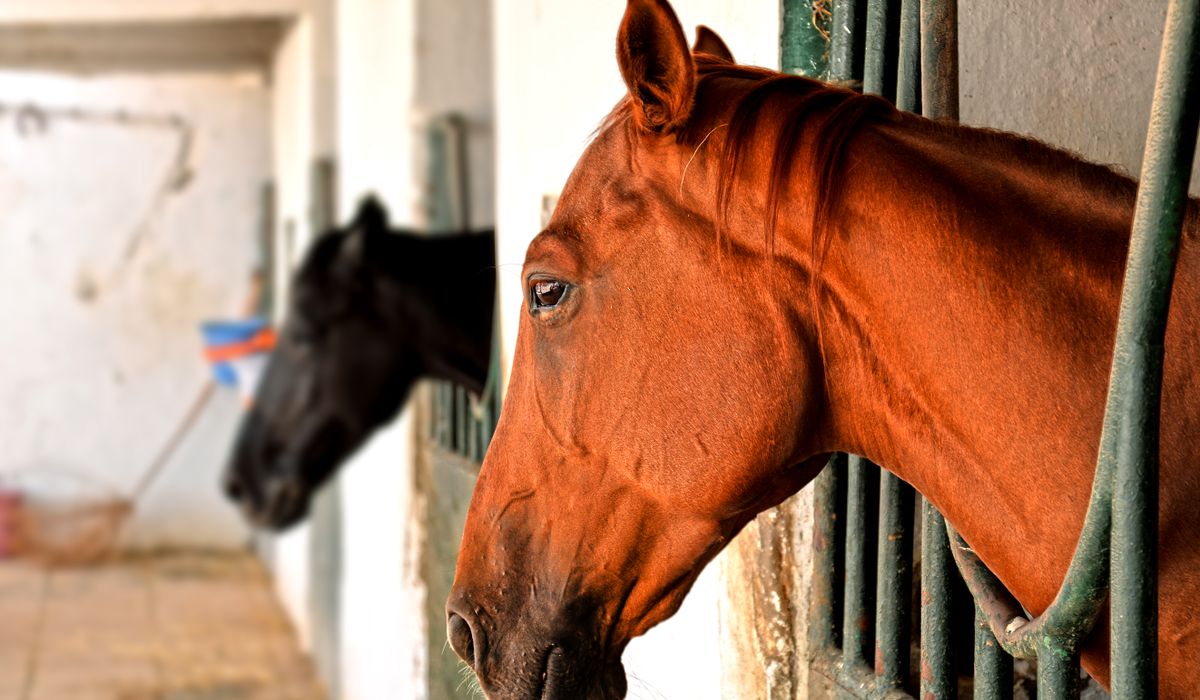
Caring for more than two horses changes the shape of the day entirely. What works beautifully for a single horse — a leisurely morning, a bit of grooming, feed whenever it suits — collapses the moment there are four heads over the doors and only one pair of hands. The trick is not to work harder but to build a routine with fixed points and flexible space around them.
Begin by writing down the things that genuinely cannot move. For most smallholdings that means forage, water, medication and turnout. Everything else, from mucking out to schooling, can be shuffled into the gaps. A useful discipline is to limit each daily slot to five tasks. If your morning routine has eleven steps, it will be the first thing to crumble on a wet Tuesday in February.
Most yards settle on three anchors: a morning feed and check, a midday water and hay top-up, and an evening feed with a final headcount, rug check and a walk of the fence line. Three visits, each with a clear purpose, beats seven vague ones.
Plan the Paddock, Not Just the Herd
Group turnout is where multi-horse routines succeed or fail. Horses are happier and less stressed in company, but you must set the field up so that the quiet, low-ranking horse can eat and rest without being moved on every few minutes.
- Turn out in pairs or small groups of three to four. Large mixed herds are far harder to manage and injuries rise sharply.
- Introduce a new horse over the fence for several days before putting them in together, and do it when everyone has a full belly.
- Put out one more hay pile than there are horses, spaced well apart, and never in corners or against a gateway.
- Provide at least two water sources, checked and scrubbed weekly.
- Keep gateways clear and wide. A horse rushing through a narrow gap is an accident waiting to happen.
- Rotate paddocks or strip-graze so the grass lasts and the mud does not take over.
Do a slow headcount and a quick hands-on check of legs and rugs every time you bring in. It takes four minutes and catches most problems early.
Feeding Rounds Nobody Can Get Wrong
Feed is the one part of the day that cannot be improvised. Write out a laminated card for each horse with its exact ration, supplements and any rules, and hang it in the feed room. Weigh hay rather than eyeballing it — a small kitchen scale for hard feed and a hanging scale for haynets will pay for themselves.
Feed each horse in its own stable or tied up well apart, and remove buckets that are not finished; a horse going off hard feed is often the first sign of trouble. Any change of feed should be made gradually over seven to ten days. Keep a note of normal water intake too, roughly 25 to 40 litres a day for an average horse, so you spot the drop before it becomes colic. Salt or a mineral lick in every field means you are not chasing deficiencies with expensive supplements.
The Rota: Sharing the Load Without Guesswork
If family members, a sharer or a part-time helper are involved, the routine needs a single point of truth. A whiteboard in the tack room or a shared online diary both work; what does not work is two people guessing who fed what.
- Split the week into blocks rather than days. A full week on, a full week off is far easier to remember than alternating mornings.
- Give each person a complete job, not half of one. Whoever does the morning does the whole morning.
- Keep handover notes brief: rugs changed, hay soaked, farrier due, anything amiss.
- Have one named person responsible for ordering feed and bedding, and a second who can cover them.
The aim is for everyone to know exactly what a good day looks like, so nothing is missed and nobody is quietly burning out doing the jobs no one else notices.
Flexing Through the Seasons
Routines should shift with the light rather than fight it. In winter, bring in earlier, bank up hay, break ice on troughs at both ends of the day, and accept that rugs will need changing more often than you would like. Mud fever and rainscald are managed by routine, not by treatment.
In summer, turn out overnight or early in the morning to dodge the flies and the heat, watch the spring and autumn grass flush closely for laminitis, and keep a weight tape to hand so you can track condition objectively rather than by eye. Sweet itch sufferers need their routine started in March, not June. Whatever the season, note the times in your diary at the start of each month so the whole team adjusts together.
Leave Room for the Unexpected
A routine that only survives a perfect day is not a routine. Build in slack: allow fifteen minutes per horse each day as a baseline, so four horses is an hour minimum before anything else. Keep an emergency card in the feed room with your vet's number, the farrier, insurance details and clear permission for whoever is on shift to call the vet.
Finally, keep a simple record of what normal looks like for each horse — appetite, weight, behaviour, droppings. When something goes wrong, that note is worth more than any guess. A good routine is not rigid; it is predictable enough to be safe and flexible enough to bend when a horse needs you to.

4 Comments