
A Practical Guide to Feeding Senior Horses
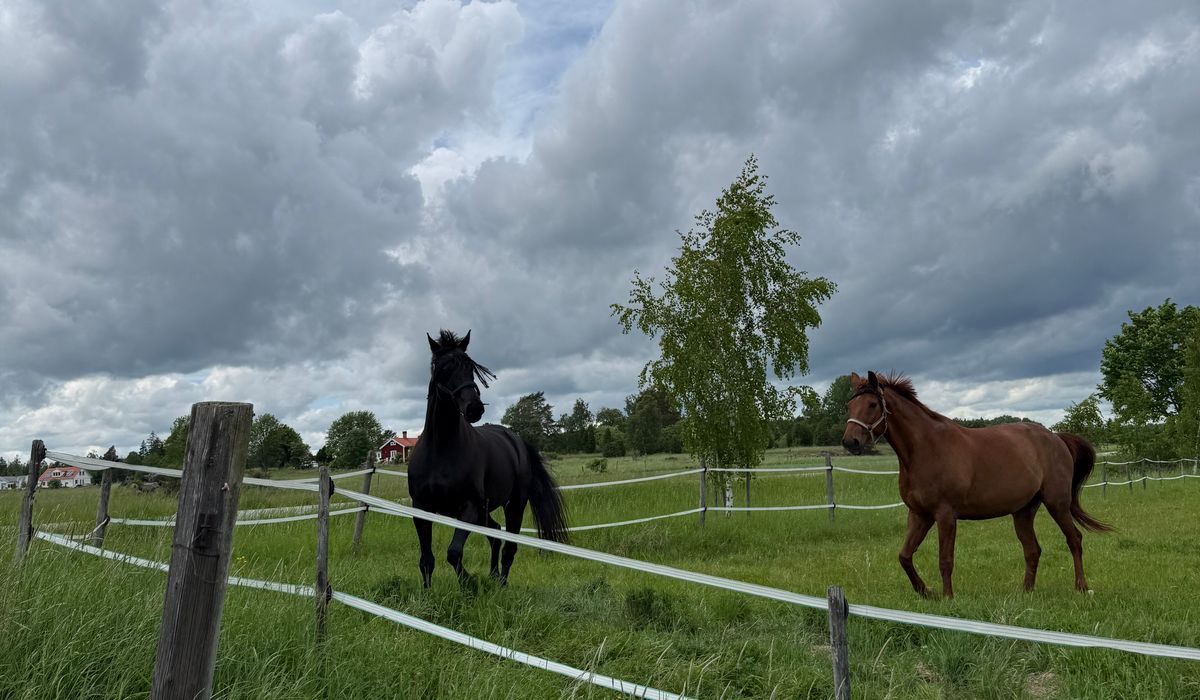
There is something quietly rewarding about caring for a horse through its later years. The old campaigner who knows the yard routine better than you do, the pony who has taught three generations to ride, the companion who has earned a gentler pace. What they need from us changes, though, and feeding is where that change shows up first. A diet that kept a twelve-year-old in glowing condition can leave a twenty-year-old looking tucked up by February. The good news is that with a bit of planning, most senior horses can hold their condition comfortably right through the year.
Recognising When an Older Horse's Needs Change
Horses age at wildly different rates. One twenty-year-old still hunts twice a fortnight while another at sixteen has already lost a quarter of its grinding surface. Judge the individual, not the date of birth on the passport, and get into the habit of assessing body condition score and topline every fortnight, hands on rather than eyes only. Run your fingers firmly along the ribs and over the spine and croup.
Watch for the practical warning signs as well: quidding (dropping half-chewed balls of hay), feed left in the bucket, slow eating, a sour smell on the breath, long undigested fibres in the droppings, or a dull coat that never quite comes right. Any of these points to the mouth first and the ration second.
Dental Care Comes Before Anything Else
You cannot feed your way around bad teeth. Horse teeth erupt continuously and wear down as they grind, and by the late teens many animals have wave mouth, sharp enamel points, loose or missing teeth and diastemata — gaps where food packs and rots. Once the grinding surfaces are gone, long fibre simply cannot be chewed properly, no matter how good your intentions.
Book an equine dental examination every six months, and every three to four months for horses with known problems. Sedation is often needed to do the job properly, so speak to your vet about the best arrangement for your horse. Here is the reassuring part: a horse with very few molars can still thrive on a forage-based diet, because the hindgut does the digesting. It only needs the fibre pre-softened for it.
Getting Forage Into an Older Horse
Forage must remain the foundation — aim for at least 1.5 to 2 per cent of bodyweight in dry matter daily, and more if you can manage it. For a 500kg horse that is a minimum of 7.5kg of forage a day, ideally split across the day rather than given in two big nets. If hay is becoming hard work, offer alternatives:
- Soaked grass nuts or alfalfa nuts, left to swell for at least twenty minutes.
- Chopped fibre or chaff, dampened so it does not blow away or lodge in the throat.
- Unmolassed sugar beet pulp, always thoroughly soaked — it swells enormously and dry pulp is a genuine choke risk.
- Mashed feeds made from grass nuts or bran, which are easy to eat and a useful way to add water.
- Soaked hay replacers fed as the main forage source where hay is simply impossible.
Feed little and often — four or five small buckets beat two large ones. Serve at ground level in a wide, shallow tub so the horse can eat in a natural grazing posture. In winter, offer slightly warmed water and mash; horses drink less when water is icy, and reduced intake is a common route to impaction colic.
Hard Feed, Balancers and Holding Condition
Once chewing efficiency drops, hard feed stops being a top-up and becomes part of the ration. Start with a veteran balancer to cover vitamins, minerals and quality protein, then add energy from oil rather than starch — micronised linseed or a plain vegetable oil, built up gradually to a couple of hundred millilitres per day if needed. Keep cereal-heavy conditioning mixes to a minimum; they are unkind to an older gut and often produce fizz in a horse that does not need it.
Older horses digest less efficiently, so concentrate meals should be small — no more than around 2kg per feed for a 500kg horse — and offered three or four times a day where practical.
Monitoring Weight Through the Seasons
Weigh-tape fortnightly and condition score at the same time, keeping a simple written record. Autumn is the moment to act: a horse that goes into winter a little light rarely comes out of it well. Increase the ration before weight is lost, not after. Clipping and rugging matter too, as senior horses often struggle to regulate temperature; a warm, dry horse burns far fewer calories keeping itself warm.
Ad-lib forage helps here, because hindgut fermentation generates internal heat. Check troughs and buckets twice daily in a hard frost, and provide shelter from driving rain. Come spring, watch native ponies and good doers closely for laminitis as the grass flushes.
Small Details That Make a Big Difference
- Feed separately so a younger companion cannot push your veteran off the bucket.
- Soak everything thoroughly, every time — never cut corners on sugar beet.
- Warm soaked feeds on cold mornings and add extra water to encourage drinking.
- Check droppings regularly for long, undigested fibre.
- Keep routine, turnout and gentle movement consistent; stiffness worsens with change.
- If weight still falls despite good feeding, ask your vet to check for underlying pain, ulcers or metabolic disease.
With a soft ration, a well-maintained mouth and a sharp eye on condition, most senior horses carry their years lightly — and repay the extra fuss many times over.

4 Comments