
Winter Care for Muddy Fields and Livestock
Why Winter Mud Is More Than an Annoyance
Anyone who keeps livestock on a few acres will tell you the same thing: it is not the cold that wears you down, it is the mud. Poaching — the churning up of the topsoil by hooves — is the real enemy. Once the surface of a field is broken, water sits in the hollows instead of draining away, air is squeezed out of the soil, and the grass beneath simply drowns. A paddock that ends the winter looking like a ploughed field can take a full growing season to recover, and if you repeat the damage year after year you gradually lose the productive pasture you were relying on.
There is also a welfare cost. Standing in wet, filthy conditions for weeks on end softens hooves, weakens the skin between the heels and makes horses, ponies, sheep and goats far more prone to problems that are difficult and expensive to clear up. Dealing with mud is not fussiness — it is basic husbandry, and it pays for itself many times over.
Rotate and Rest Before the Ground Fails
The single most effective thing you can do is plan your grazing before the weather turns. Split your land into more, smaller paddocks than you think you need, and move animals on before a field looks bare, not after. A paddock that is rested while there is still a decent mat of grass on it will come back; one grazed down to the roots in wet weather will not.
- Short, heavy grazings are better than long, light ones in winter — get them on, get them off, let it rest.
- Keep a sacrifice paddock — one area you accept will get churned up, close to the yard, where you can feed and hold animals when conditions are at their worst.
- Rest for at least three to four weeks in mild weather, longer in the depths of winter when growth has stopped altogether.
- Consider housing or a hard-standing corral for the wettest fortnight rather than letting animals roam the whole holding.
If you keep sheep or cattle as well as horses, remember that they graze and tread differently, and a rotation that suits one species may not suit another. Cattle poach badly in wet weather; sheep with their lighter feet are often easier on the land, but they will graze grass right down to the ground if left to it.
Building a Dry Standing Area
Sooner or later, every smallholder needs somewhere the animals can stand that is not mud. A well-made hard-standing area is the best investment you can make for winter welfare.
- Lay a geotextile membrane first, then a good depth of compacted hardcore or crushed stone. Skimping on the base means it will sink and disappear within a season.
- Woodchip or bark on top gives a kinder surface for hooves and is easier to muck out, but it needs topping up regularly and will rot down eventually.
- Slope it slightly so water runs off rather than pooling, and consider a shallow drainage channel along the lowest edge.
- Provide shelter — a simple field shelter or windbreak reduces the time animals spend standing hunched in the rain.
Think of it as an outdoor stable yard rather than a field. It does not need to be large; a generous pen that allows animals to lie down dry, eat hay without it being trampled into the mud, and get out of the wind will transform your winter.
Protecting Gateways, Troughs and Feed Areas
Mud always starts in the same places. Anywhere animals congregate — gateways, around troughs, beneath hay racks — will be poached first and worst. Break the pattern before it begins.
- Harden gateways with stone or rubber matting; they take more traffic than any other part of the field.
- Move troughs and hay feeders every few weeks so no single patch is destroyed.
- Use a hay ring or feeder rather than loose hay on the ground, which gets trampled and wasted and turns the surrounding area into a bog.
- Keep a second exit from each paddock so you are not forced to funnel every animal through one muddy gap.
Good drainage matters too. Clearing ditches, unblocking culverts and keeping field drains flowing in autumn is far easier than trying to fix a waterlogged field in January.
Adjusting Feeding as the Grass Stops
Once grass growth halts, forage has to come from you. Winter grass is low in sugar and nutrition, and animals burn far more energy simply keeping warm in cold, wet, windy weather.
- Feed forage ad lib where you can, and increase the amount during cold snaps — a horse or pony on poor grazing may need considerably more hay than the textbook figure during a hard frost.
- Feed by weight, not by eye. Weigh hay or use a reliable estimate, and condition score every few weeks rather than guessing.
- Water matters as much as food. Check troughs and buckets twice a day in freezing weather; a dehydrated animal will not eat properly and is at risk of impaction.
- Add a salt or mineral lick so animals can regulate their own intake, particularly if they are on preserved forage.
Older animals, thin animals and those with poor teeth need extra attention — they often struggle to maintain condition through winter and benefit from soaked feed or a rug if they are clipped or thin-skinned.
Daily Checks: Feet, Skin and Small Problems
Muddy conditions hide problems, so handle your animals regularly. Pick out hooves and check the heels and pasterns for the early signs of mud fever — soreness, scabbing, matted hair. Catch it early with gentle washing and thorough drying, and keep the area protected. Sheep are prone to foot rot and scald in wet conditions, so run them through a footbath if you see lameness spreading.
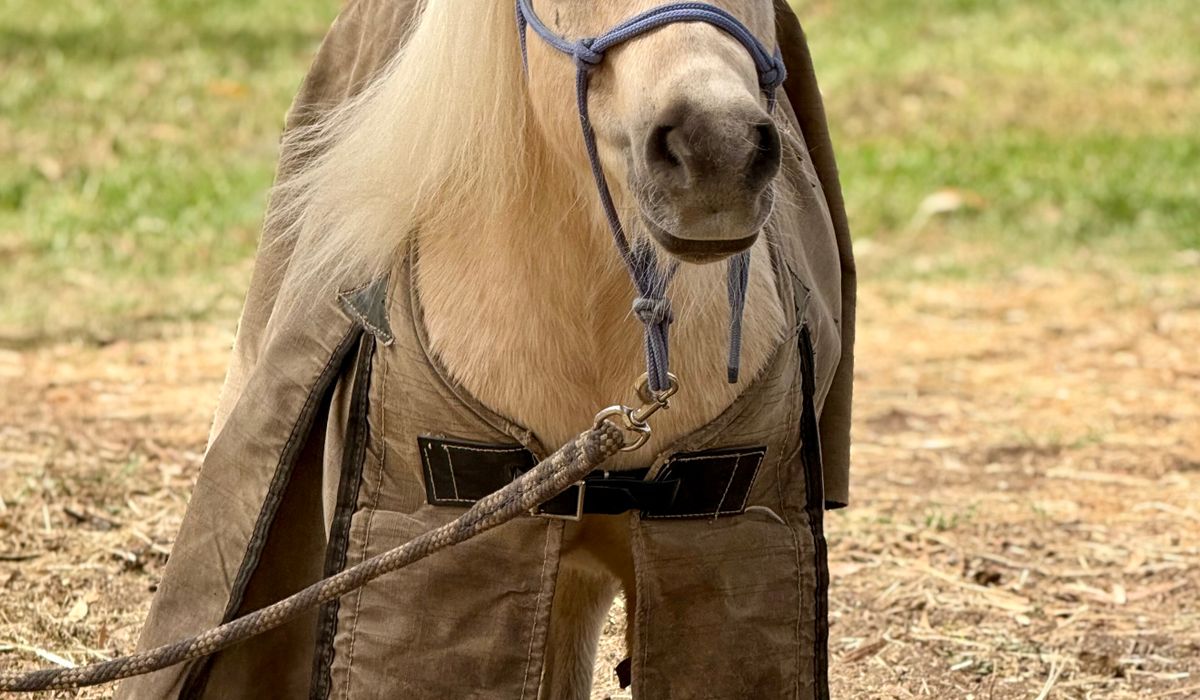
Keep rugs clean and check underneath them daily; a rug over wet skin does more harm than good. Remove any mud from legs and bellies before it sets hard, and use barrier creams on vulnerable skin rather than over-washing, which strips natural oils.
Winter on a smallholding is hard work, but a little planning in autumn — rested paddocks, a dry standing area, sensible feeding and a daily walk round — makes the difference between a season of firefighting and one you can actually enjoy.

4 Comments